U.S. flu activity could continue to rise for weeks, top CDC epidemiologist says
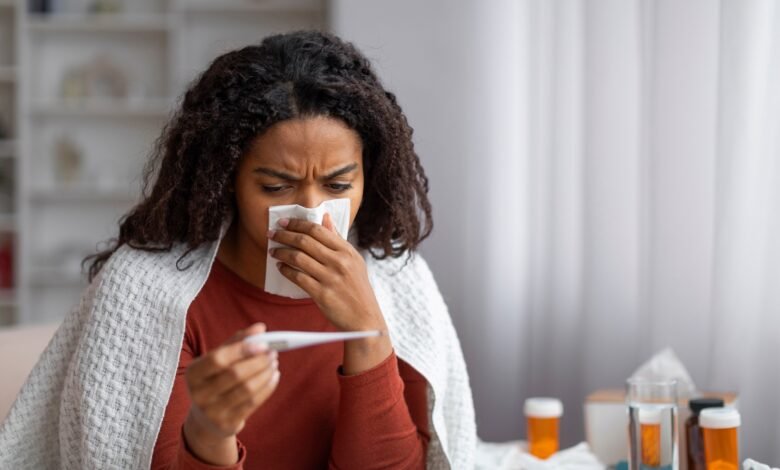
Flu activity could continue will increase in the United States in the coming weeks, according to a chief flu epidemiologist at the Centers for Disease Control and Prevention.
“There is a lot of flu right now” Dr. Carrie Reed, Chief of Epidemiology and CDC Influenza Prevention Branch division, he told ABC News.
“We often see activity continue through the spring…I think the reality is that it will remain elevated for a little while longer,” he continued.
The CDC latest estimates indicate that so far this season there have been at least 11 million illnesses, 120,000 hospitalizations and 5,000 deaths from flu.
“This is likely a low estimate based on the data we’re seeing so far.” Reed said, adding that the federal health agency typically publishes the lower range of estimates.

A new variant that first emerged in the summer, known as subclade K, has become the dominant strain, CDC data shows. Subclade K is a variant of the H3N2 virus, which in turn is a subtype of influenza A.
Of the 994 flu samples analyzed since September 30, almost all were influenza A. Of those samples that underwent additional testing barely 90% They were H3N2, CDC data shows it.
“The K subclade has acquired some mutations in the virus that make it a little different from what’s in the vaccine and what’s been circulating for the last two years,” Reed said.
Currently, public health experts recommend that everyone over 6 months old, with rare exceptions, get a flu vaccine annually.
Although the current flu vaccine is not a perfect match for the K subclade, it is still expected to offer some protection against the new variant and reduce the risk of severe illness, hospitalization and death.
Reed added that the new variant does not They seem to be causing even more serious illnesses.
“The vaccine still has benefits, even if the virus [has] it deviates a little bit from what’s in the vaccine,” he said. “We have not yet seen increases in hospitalization and mortality in the way we have seen with [doctors’ visits]although that is something we also continue to monitor.”
For those who have gotten sick, there are medications. available, known as antivirals, which can help reduce the severity and duration of the disease.
Reed said those who get the flu and are at higher risk for severe illness should seek early care and talk to their doctor about receiving a prescription for flu antivirals.
He explained that flu antivirals have been found to shorten the duration of illness and reduce the risk of severe illness, hospitalization and death.
Health officials have stressed that it is not too late for people to get a flu vaccine if they have not already received one.
“There’s still time to get a flu shot.” Reed said. “It takes a couple of weeks for the immune response to recover after vaccination, but that means there are many more weeks of flu activity to benefit from the protection of a flu vaccine.”